The Conor McGregor who spoke to The MacLife this week does not sound like the Conor McGregor of any prior promotional cycle. He is calm, spare, almost withheld.
“I feel great,” he said, ahead of his return to the octagon on Saturday, July 11, at UFC 329. “I feel absolutely amazing. Stellar. The work has been exceptional. No corners cut. No flash. We’ve been quiet this camp, and we’ve been at work. That’s confidence. There’s a lack of confidence if you need to share things or get this ego boost. You don’t need it. We’ll do it on the night.”
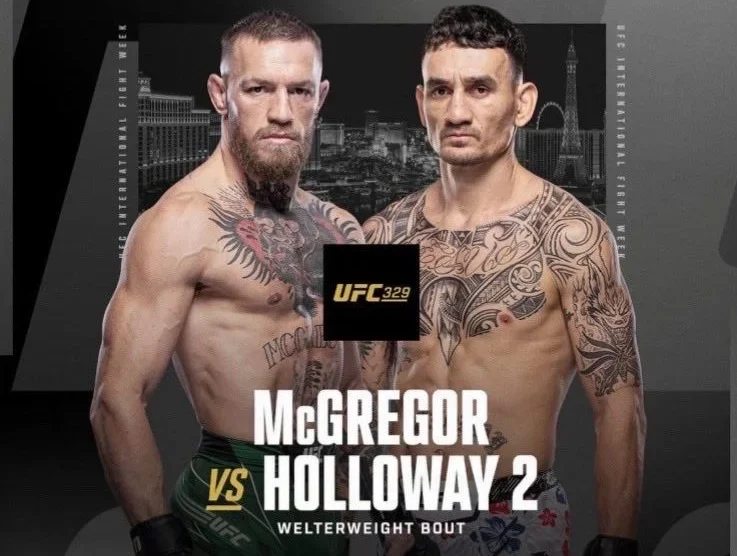
Five years is a long time to be quiet. His last walk was on July 10, 2021, at T-Mobile Arena. His tibia snapped against the same canvas where he now returns to face Max Holloway, at welterweight, in a rematch of a bout most of the current UFC roster is too young to have watched live.
The math is unforgiving. McGregor is 37, a two-division former champion, 22-6, with his last win a 40-second knockout of Donald Cerrone in January 2020. Everything after Cerrone has been either a defeat or an absence. Holloway is 34, 27-9, one of the more active fighters of his generation, coming off a unanimous-decision loss of his BMF title to Charles Oliveira at UFC 326 in March. He has taken eleven walks in the same window McGregor has taken one.
The sportsbooks have priced the layoff. Holloway is between -240 and -300. McGregor is a +180 to +240 underdog, the longest underdog price of his UFC career. That is a market not disrespecting either fighter but reading the arithmetic of five years off against five years of active competition against Volkanovski, Poirier, Justin Gaethje, and Oliveira. Prediction markets have Holloway near 67 percent. The number reflects what the number should reflect.
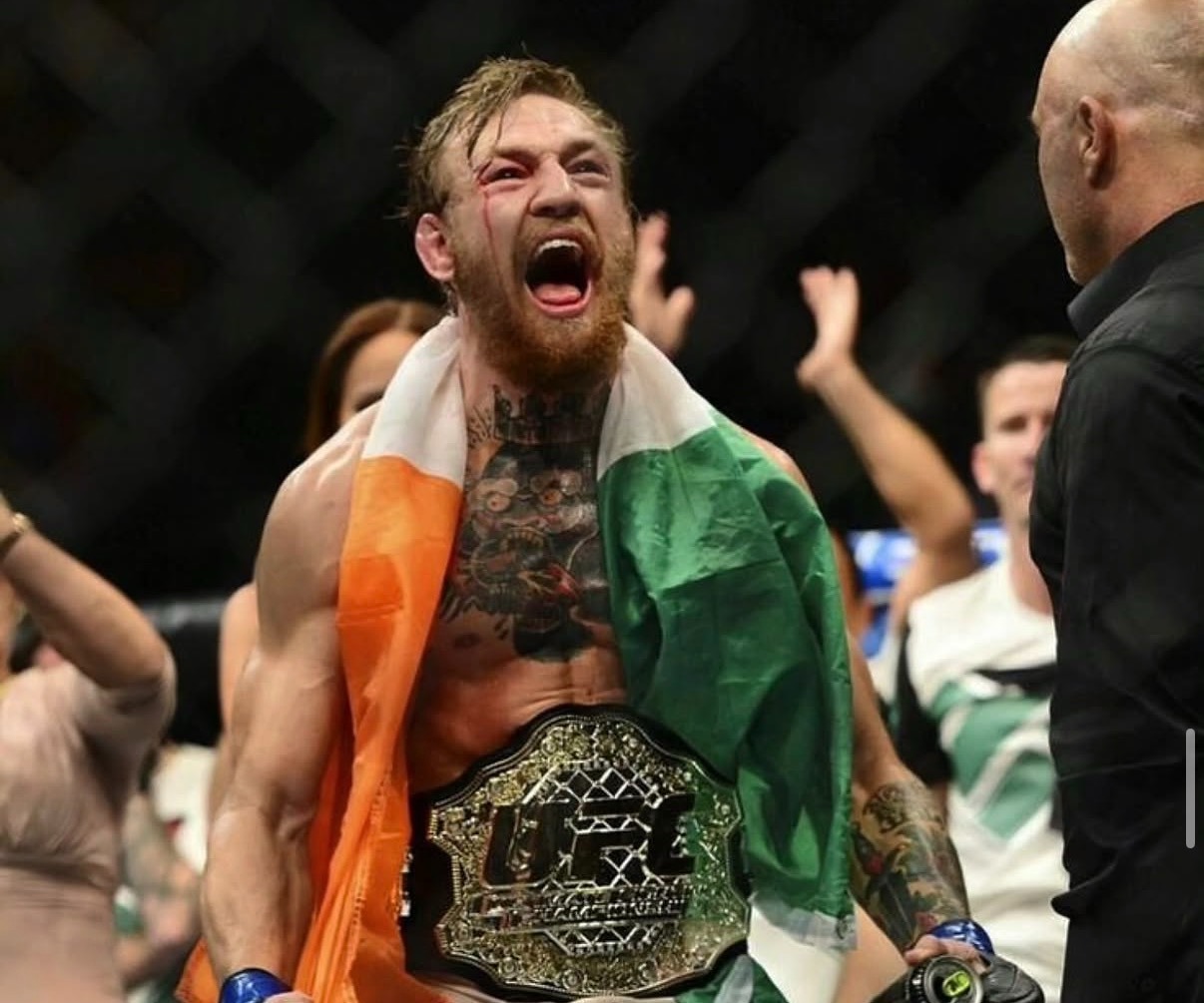
McGregor’s pitch to fans has always been rhythm and left-hand timing. His two most memorable finishes, José Aldo in 13 seconds at UFC 194 and Cerrone at UFC 246, were both about a fraction of a second between a shoulder rolling and a counter landing. That fraction is the variable a five-year layoff makes hardest to insure. Ring rust is a phrase the sport uses because the actual mechanism is difficult to name. Reflex is trainable but not fully replicable. Distance management degrades on the shelf. The tibia McGregor snapped in the Poirier trilogy fight is the same leg he now needs to plant, pivot, and check kicks with against a fighter whose output at range has, historically, worn opponents into positions they could not fight from.
Holloway’s Hawaiian gospel is volume and durability. His fights turn on his ability to absorb what an opponent has and continue answering with jabs, straights, and the long combinations that trail off with a body shot most opponents cannot see coming. He fights tall for the weight and moves in straight lines with an economy that makes his output look slower than it is. If McGregor’s window is the first three rounds, when the timing might still be there and the tank is unquestionably full, Holloway’s window is rounds four and five, when his opponent has to fight past exhaustion and remember the reads that were sharp at the opening bell.
The first meeting is a document only. UFC Fight Night 26, TD Garden, August 17, 2013. McGregor, 25 and 2-0 in the UFC, took a unanimous decision from a 21-year-old Holloway. He also tore his ACL somewhere inside those three rounds and competed through the second half of the fight without knowing what he had done. Neither fighter is the person he was that night. What one wore, what one weighed, what one believed about the sport all belong to a different era.
The 2026 version is contracted at 170 pounds, five rounds, in Holloway’s welterweight debut. Holloway is a career featherweight who moved permanently to lightweight in 2024. Jumping straight to welterweight against a bigger natural opponent whose two prior fights at the weight both ended in the first round is the storyline the corners on both sides will be answering all week.
McGregor is leaning into the rematch framing. “Listen, there’s a different thud when you fight against me,” he told The MacLife. “I fought once against Max Holloway years ago. I look forward to my improvements on it. I love a rematch. Who doesn’t love the story builds, the tension builds. The fans get excited. They’ve got comparisons.”
The word he chose for the outcome is masterpiece. It is a McGregor word. It has been in his vocabulary since the featherweight run in 2015, when the promo work still landed at a rate that made the sport reconfigure itself around him. It carries more weight in 2026 than it did then, because the number of things that have to go right to produce anything resembling one is much higher. The camp was quiet. The training was, per him, exceptional. The tank was, per him, full. Whether the version of McGregor who walks out on Saturday resembles the version that has been described is the only variable that matters. The rest of the noise is exactly what he says it is: noise.
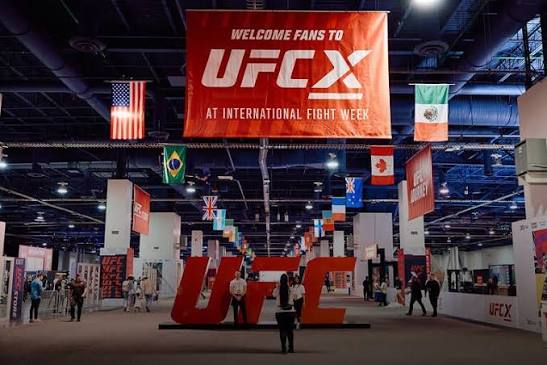
Fight week begins in Las Vegas in the coming days. Ceremonial weigh-ins are on July 10. The main card streams live on Paramount+, with no separate pay-per-view purchase required under the promotion’s current broadcast structure.
Two nights before the fight, the Hall of Fame will induct Dominick Cruz, Demetrious Johnson, and Chris Weidman, alongside the Zhang Weili vs. Joanna Jędrzejczyk Fight Wing selection and the posthumous Contributors nod for Thomas Gerbasi. It is the kind of ceremony that reminds you how long careers get in this sport, and how quickly they end.
Five years ago, McGregor was carried out. He walks back in on Saturday, at welterweight, against a fighter whose career pace has not slowed. What happens between the fence and the microphone is what he has promised will be a masterpiece. The evidence is what remains to be seen.