1. Chinese conservatism
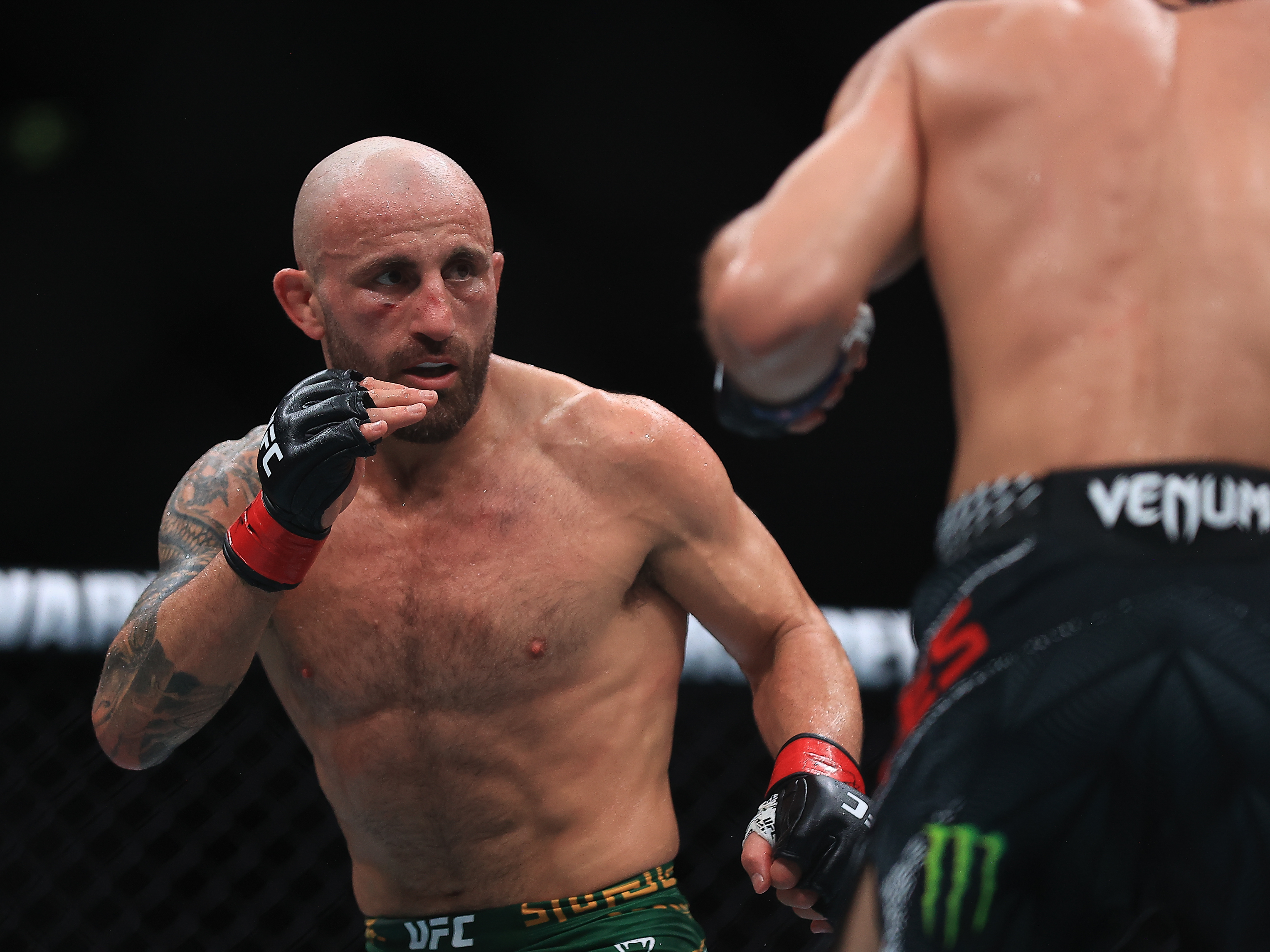
Despite China’s storied martial arts history and emerging cultural thaw, MMA will not be an easy sell in the country. The Chinese are still by and large a conservative and risk-averse group of consumers led by an extremely protective and controlling government. MMA is a very aggressive and violent sport that’s easily misunderstood.
The biggest challenge for the UFC in China will be obtaining buy-in at the governmental level. If it cannot cultivate key relationships within the government it can forget about television coverage, live event permits, and any sort of merchandising initiative. The Chinese still follow the cultural lead of the government in many ways, and if the government decides to throw its weight behind something, not only does that something get done, but people tend to take notice pretty quickly.
2. Revenue generation
The next biggest challenge relates to the UFC’s business model. Nearly 75% of the UFC’s revenue is event-related, but China is neither a PPV market or a significant spectator market.
The Chinese consume a great deal of their sports through free, state-owned television programming and are reluctant to pay for what they’ve always had for free – even despite the increase in the number of set-top boxes in the country. Various different sports properties have tried PPV or subscription models in the last couple years, but each have failed (including a group that bought the rights to the EPL for three years at some $70m and fell into bankruptcy two years into the deal).
The fact that it’s far more easy and cost-effective for the Chinese to stay at home and watch an event for free makes them less inclined to watch live, especially in the densely crowded and difficult to navigate urban areas. The high rate of television consumption contributes to the lackluster live-game experience at most sporting events, which in turn provides even less incentive for fans to attend. It’s a self-perpetuating cycle.
Nearly every sporting event taken to China has struggled at the gate – the Olympics, F-1, ATP, European TOUR, etc. In many cases the government often resorts to hiring groups of people or assigning army units to attend events as paid spectators just to beef up the look of the event for global television audiences. It’s a very difficult ticket sales market.
Perhaps the best way to be successful is to play on Chinese aspirations for the consumption of world class goods and services. If the UFC brings its best and brightest to China and sells it as such, it may gain an audience on the merit of simply providing its best offering to the country. It would be seen as a sign of respect to which reciprocation is almost guaranteed as a matter of courtesy and obligation.
3. Patience
In the late 1980s, the Commissioner of the NBA, David Stern, crossed the Pacific and sat in the lobby of the CCTV HQ with a box of tapes on his lap looking to accomplish one thing: get his product on television. More than 20 years later, basketball and the NBA have finally started to take hold.
There are many reasons for the NBA’s success in China – it wasn’t just Yao Ming – but perhaps the most important is the combination of effort and money over the period of the last 20+ years. If you look at the current foreign sports landscape in China, the most successful organizations are all those that have spent a good chunk of time in the country. I do not think this is coincidence.
This third challenge is one borne of patience. Is the UFC willing to make the necessary investments — concessions on rights fees to get on TV, localized manpower to cultivate government relationships, and enduring rather high opportunity costs to put on live events – in a market that isn’t likely to provide a solid return for at least another five years?
4. Others
The above three considerations are probably the biggest challenges facing the UFC in China, but it will also have to contend with a variety of other issues to establish itself in the country:
* Navigating the sometimes very different distribution infrastructure within the country
* Protecting its intellectual property
* Implementing or supporting a national development program

The UFC’s key challenges in China
1. Chinese conservatism Despite China’s storied martial arts history and emerging cultural thaw, MMA will not be an easy sell in the country. The Chinese are still by and large a conservative and risk-averse group of consumers led by an extremely protective and controlling government. MMA is a very aggressive and violent sport that’s easily…
|