RIZIN 1 featured the spectacular entrances that helped make PRIDE the greatest MMA show in history for many in the hardcore MMA fanbase. However, and most unfortunately, PRIDE also featured occasional works and fixes.
For those new to JMMA, it helps to know the difference between a Fix, a Work, and a Shoot.
A ‘fix’ is a fight, purportedly legitimate, where one fighter knows the outcome, and the other does not. Professional boxing has proven to be an unfortunate source for hundreds of years of fixed fights, with the usual cause being gambling. In MMA, the cause has generally been to increase the popularity of a fighter than brings the promotion revenue.
A ‘work’ is a contest where both competitors know the outcome. Pro Wrestling bouts are works – generally, the promoter dictates when the contest will end, and how, and the two athletes improvise the rest. The Japanese pro wrestling scene often specializes in what is termed a ‘hard work’ where the outcome is predetermined, but the the contact is heavy, and the technique is often quite realistic. These are the origin of MMA in Japan, but sometimes line between real and fake is blurred.
‘A shoot’ is a legitimate match. When pro wrestling afficionado Jeff Osborne had the vision to start an MMA promotion not long after the UFC debuted, he called it HOOKnSHOOT. A ‘hook’ being a pro wrestling term for a real submission hold, and a shoot of course being a real match. For generations, shoots took place behind closed doors. With the rise of MMA, shoots became public.
Video tape is not definitive. Unless you received the blow, it can be extremely hard to tell if a blow hit cleanly or not.
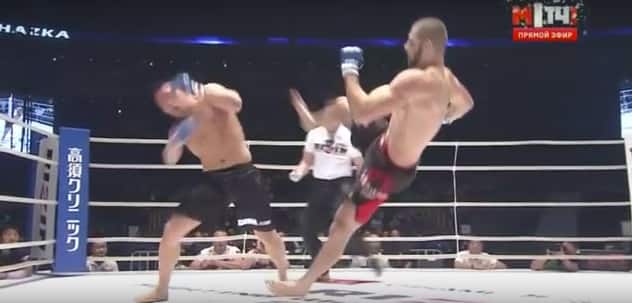
That said, something happened at RIZIN that bears watching closely. Former olympic gold medalist in Judo Satoshi Ishii fought Czech light heavyweight Jiri Prochazka in the Light Heavyweight Tournament quarterfinal round. The fight was over in 96 seconds; a replay is puzzling.
This is not an accusation. Prochazka is a ferocious striker, on a six, now seven fight knockout win streak. Unfortunately, in the absence of a commission, there is no ready means to investigate what happened. So for the moment, we are left with questions, rather than answers, and it may stay that way forever, casting faint smells.
At the very least, before it appears on American television, an effort should be made to determine what happened. The sport is still viewed dimly in many corners, and thus needs to be clean of suggestions that a major promoter is getting over on the audience.